
5 Types of Coffee to Cleanse the Colon
Coffee is one of the most widely consumed beverages in the world, and for many people, its morning ritual comes with a very familiar side effect — a sudden urge to use the bathroom. But beyond the standard cup of joe, certain types of coffee are believed to have more pronounced effects on digestive health, particularly when it comes to stimulating and cleansing the colon. Whether you are looking to support your gut health naturally or simply curious about how coffee interacts with your digestive system, this guide breaks down five types of coffee that may help clear out the colon.
Why Coffee Affects the Colon
Before diving into the specific types, it helps to understand why coffee has a laxative-like effect in the first place. Coffee stimulates the production of gastrin, a hormone that triggers contractions in the colon. These contractions, known as peristalsis, push waste through the digestive tract more quickly.
Research published in the journal Gut found that caffeinated coffee stimulates colonic motor activity significantly more than water or decaffeinated coffee. However, decaf coffee also shows some effect, suggesting that compounds beyond caffeine — such as chlorogenic acids and other polyphenols — also play a role in digestive stimulation.
It is important to note that while coffee can support bowel regularity, it is not a medically approved colon cleanse. Always consult a healthcare professional before making significant changes to your diet, especially if you have digestive conditions such as irritable bowel syndrome (IBS), Crohn's disease, or acid reflux.

1. Black Coffee
The Classic Colon Stimulant
Plain black coffee — brewed without milk, sugar, or additives — is widely regarded as one of the most effective types for stimulating the colon. Its high concentration of caffeine and chlorogenic acids work together to increase gastric acid production and accelerate gut motility.
When you drink black coffee on an empty stomach in the morning, its effects on the colon tend to be most pronounced. The lack of food in the stomach means the stimulating compounds reach the digestive system more quickly and with fewer buffers.
What the Research Says
Studies have consistently shown that black coffee can trigger a colonic response within just four minutes of consumption in some individuals. The effect is stronger in caffeinated black coffee, though the act of drinking a hot liquid also contributes to digestive stimulation.
For those looking to support daily bowel regularity, a single cup of black coffee in the morning may be sufficient. Drinking more than two to three cups daily, however, can lead to dehydration, which can paradoxically worsen constipation and bowel health.
2. Coffee Enemas
A Controversial but Practiced Method
Coffee enemas involve introducing brewed, cooled coffee into the rectum through a tube. This practice has been used in alternative medicine for decades, most notably associated with the Gerson Therapy — a protocol used by some as a complementary cancer treatment. Proponents claim that coffee enemas cleanse the colon by stimulating bile flow and removing toxins.
When administered rectally, coffee is thought to stimulate the liver to produce more bile and increase the activity of an enzyme system called glutathione S-transferase, which some believe helps neutralize free radicals and toxins in the digestive tract.
Important Safety Considerations
Coffee enemas are not without risk. Medical professionals have raised serious concerns about their use, including the risk of infection, electrolyte imbalances, bowel perforation, and even death in extreme cases. The U.S. Food and Drug Administration (FDA) has not approved coffee enemas for any medical purpose.
If you are considering this method, it is absolutely essential to consult with a qualified healthcare provider beforehand. The practice should never be undertaken without professional guidance, and it is not recommended for most people as a routine colon cleanse.
3. Green Coffee
Unroasted and Rich in Chlorogenic Acids
Green coffee refers to raw, unroasted coffee beans or extracts made from them. Because the beans have not been subjected to the roasting process, they retain significantly higher levels of chlorogenic acids compared to standard roasted coffee. Chlorogenic acids are powerful antioxidants that have been studied for their effects on metabolism, blood sugar regulation, and digestive health.
These compounds are believed to slow the absorption of carbohydrates in the digestive tract and reduce inflammation in the gut lining. By supporting a healthier gut environment, green coffee may indirectly contribute to better colon function and more regular bowel movements.
How to Use Green Coffee
Green coffee is most commonly available as a supplement in capsule form or as a tea-like brew made from the whole unroasted beans. It has a much milder, grassier taste compared to standard coffee and contains less caffeine, making it a gentler option for those who are sensitive to caffeine's stimulating effects.
While green coffee extract has been studied for weight loss and metabolic benefits, research specifically on its colon-cleansing properties is still limited. However, its high antioxidant content makes it a worthwhile addition to a gut-supportive diet.
4. Dandelion Root Coffee
An Herbal Alternative with Digestive Benefits
Dandelion root coffee is a caffeine-free herbal beverage made from roasted dandelion roots. It has a rich, slightly bitter flavor that closely resembles traditional coffee, making it a popular substitute. More importantly, dandelion root has a long history of use in herbal medicine as a digestive tonic and mild laxative.
Dandelion root contains inulin, a type of prebiotic fiber that feeds beneficial bacteria in the gut. A healthy gut microbiome is closely linked to regular bowel movements and overall colon health. Inulin helps soften stool and increase stool frequency, supporting natural colon cleansing without harsh chemical effects.
Additional Gut Health Benefits
Beyond its prebiotic fiber content, dandelion root is known to stimulate bile production, which aids in fat digestion and supports the liver — an organ closely tied to digestive efficiency. Regular consumption may help reduce bloating, ease constipation, and promote a healthier intestinal environment.
Dandelion root coffee is widely available in health food stores and online. It can be brewed similarly to ground coffee using a French press or drip coffee maker. Because it is caffeine-free, it can be consumed at any time of day without disrupting sleep patterns.
5. Chicory Coffee
A Fiber-Rich Coffee Alternative
Chicory coffee is made from the roasted root of the chicory plant (Cichorium intybus) and has been used as a coffee substitute and additive for centuries, particularly in France and Louisiana. Like dandelion root, chicory root is exceptionally high in inulin — in fact, chicory is one of the richest natural sources of this prebiotic fiber available.
The inulin found in chicory root acts as a fermentable fiber in the colon. When gut bacteria ferment inulin, they produce short-chain fatty acids (SCFAs) such as butyrate, which nourish the cells lining the colon, reduce inflammation, and support healthy bowel function. This makes chicory coffee a genuinely well-supported option for colon health.
Scientific Support and How to Consume It
Several studies have demonstrated that chicory root inulin can increase stool frequency and improve stool consistency in people with constipation. A study published in the Journal of Traditional and Complementary Medicine found that chicory root extract significantly improved bowel habits in participants over a four-week period.
Chicory coffee can be enjoyed on its own or blended with regular coffee to soften its bold, slightly woody flavor. It is naturally caffeine-free and can be found in most health food stores. Brands like Teeccino offer ready-to-brew chicory-based blends that make it easy to incorporate into a daily routine.
Tips for Using Coffee Safely for Colon Health
While these five types of coffee can support colon function, it is important to use them wisely. Drinking coffee in excess — particularly caffeinated varieties — can lead to dehydration, acid reflux, anxiety, and disrupted sleep, all of which can negatively impact digestive health in the long run.
Pairing coffee consumption with adequate water intake is essential. Aim to drink at least eight glasses of water per day alongside your coffee routine to keep the digestive system properly hydrated and functioning efficiently. A fiber-rich diet full of fruits, vegetables, and whole grains will further support colon health.
People with gastrointestinal conditions, those who are pregnant or breastfeeding, or anyone taking prescription medications should speak with their doctor before using coffee as a digestive aid. Natural remedies, including coffee, can interact with certain conditions and treatments in unexpected ways.
The Bottom Line
Coffee, in its many forms, offers more than just an energy boost. From the colon-stimulating effects of black coffee to the prebiotic power of chicory and dandelion root coffee, there are several ways to harness this popular beverage for digestive wellness. Each type works through slightly different mechanisms, giving you options based on your taste preferences, caffeine sensitivity, and health goals.
Whether you are looking to ease occasional constipation, support a healthy gut microbiome, or simply keep your digestive system running smoothly, incorporating one or more of these coffee types into your routine may offer meaningful benefits — provided it is done thoughtfully and in moderation.
Related Articles

Some Meal Delivery Services Are Absolutely Perfect For Families
Raising a family takes a lot of time.

The Facts About Lactose Intolerance Should be Understood By More People
There’s a lot of people who love to eat dairy.

Trying Out 5 New Exercises at Home Can Be Enough to Gain a Love of Fitness
Staying fit and healthy is essential, but going to the gym can be daunting and time-consuming.

A Boost in Energy Can Come From Pre Workout Supplements
Workouts are an important part of a healthy life.
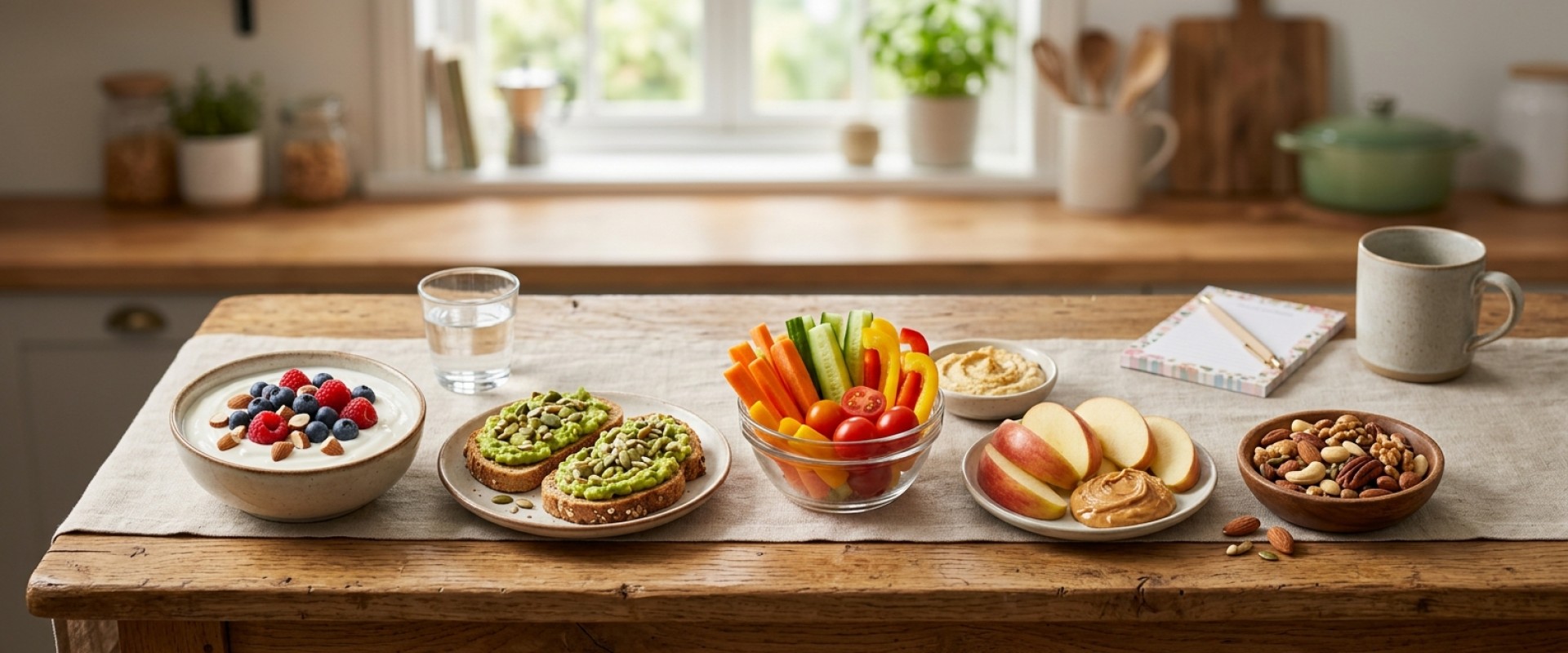
5 Best Snacks for Diabetes Management
Managing diabetes requires careful attention to diet, especially when it comes to snacking between meals.

7 Foods That Can Trigger Severe Allergies
Food allergies can turn an ordinary meal into a medical emergency within minutes.
Recent Articles
-

5 Types of Coffee to Cleanse the Colon
Coffee is one of the most widely consumed beverages in the world, and for many people, its morning ritual comes with a very familiar side effect — a s ...
-

Trip ideas that make great Christmas Gifts
If you're tired of gifting socks, gadgets, or gift cards that go unused, consider giving the gift of travel this Christmas. A well-planned trip create ...
-

7 Best Christmas Stocking Stuffers
Christmas stockings have been a beloved holiday tradition for centuries, and filling them with thoughtful, fun, and practical gifts is an art form in ...