5 Best Snacks for Diabetes Management
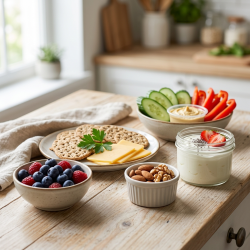
Managing diabetes requires careful attention to diet, especially when it comes to snacking between meals. The right snacks can help stabilize blood sugar levels and prevent energy crashes that often lead to unhealthy food choices. This article explores five evidence-based snack options that people with diabetes can enjoy while maintaining better glucose control throughout the day.
Understanding Snacking With Diabetes
When you have diabetes, selecting appropriate snacks is crucial for managing your condition effectively. The goal is to choose foods that have minimal impact on blood glucose levels while providing sustained energy and essential nutrients. Snacks that combine protein, healthy fats, and fiber tend to keep blood sugar stable and prevent sudden spikes or drops.
Why Snack Selection Matters
Poorly chosen snacks can cause rapid blood sugar fluctuations, making diabetes management more difficult. Conversely, strategic snacking can extend the time between meals and reduce overall calorie intake. Quality snacks also help prevent overeating at main meals by maintaining steady energy levels.
1. Mixed Nuts and Seeds
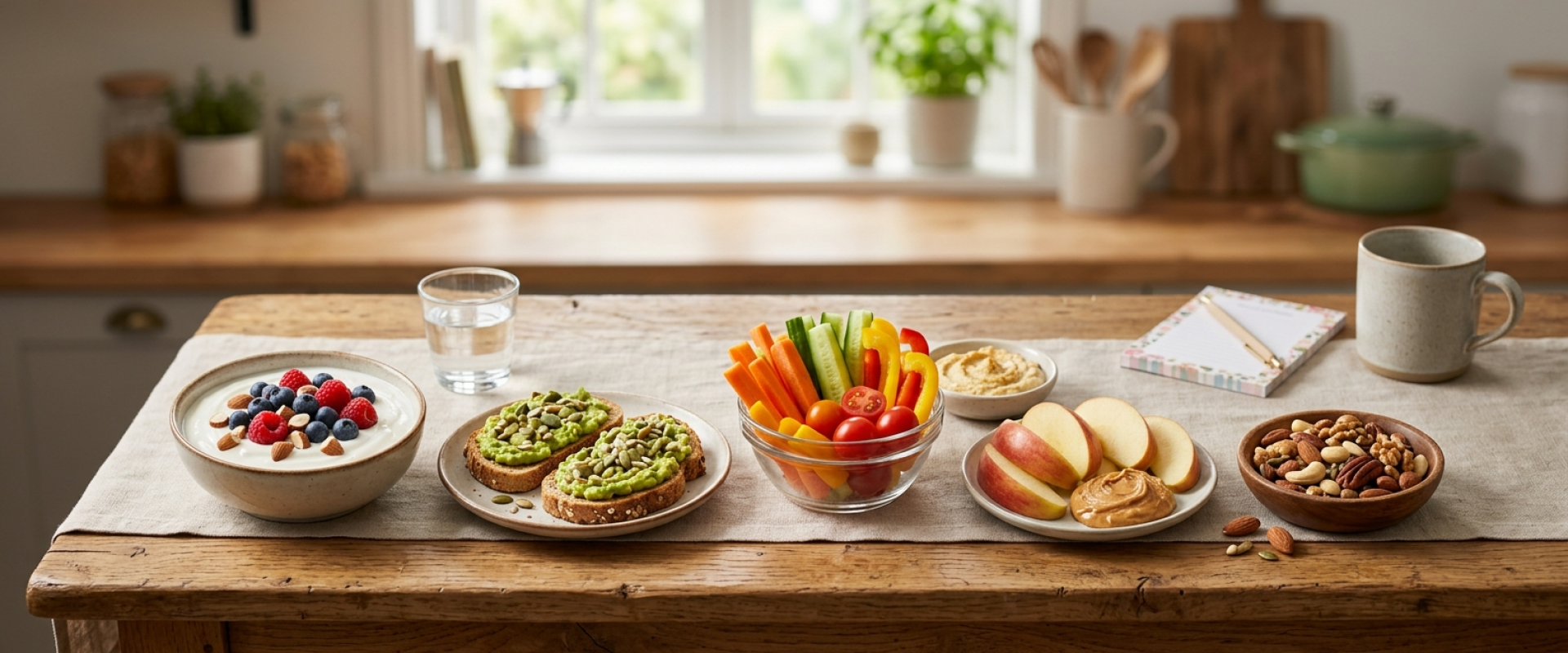
Mixed nuts and seeds represent an excellent snacking option for people with diabetes. Almonds, walnuts, sunflower seeds, and pumpkin seeds are rich in protein, healthy unsaturated fats, and fiber. These nutrients work together to slow the absorption of any carbohydrates, resulting in minimal blood glucose elevation.
Nutritional Benefits
A one-ounce serving of mixed nuts typically contains about 6 grams of protein, 3-4 grams of fiber, and healthy monounsaturated fats. Studies show that nuts can improve insulin sensitivity and may help reduce cardiovascular disease risk, which is important since people with diabetes face higher heart disease risk.
Portion Control Tips
While nuts are healthy, they are calorie-dense, so portion control matters. Keep servings to about one ounce, or roughly a small handful. Pre-portioning nuts into small containers helps prevent overeating and makes snacking convenient.
2. Greek Yogurt With Berries
Greek yogurt paired with berries creates a balanced snack that combines protein with low-glycemic fruit. Greek yogurt contains twice the protein of regular yogurt while being lower in carbohydrates, making it ideal for blood sugar management.
Why Berries Are Ideal
Berries like blueberries, strawberries, and raspberries have lower sugar content compared to other fruits and are high in anthocyanins, powerful antioxidants that may improve insulin function. A half-cup serving of berries contains about 7-10 grams of carbohydrates with substantial fiber content.
Choosing the Right Yogurt
Select plain, unsweetened Greek yogurt rather than flavored varieties, which often contain added sugars. A six-ounce serving provides approximately 15-20 grams of protein with minimal carbohydrate impact, creating an ideal snack for glucose stability.
3. Cheese and Vegetables
Pairing cheese with non-starchy vegetables creates a satisfying, diabetes-friendly snack with virtually no negative impact on blood glucose. This combination provides protein, calcium, and essential vitamins while keeping carbohydrate content minimal.
Best Vegetable Choices
Raw vegetables like bell peppers, cucumber slices, cherry tomatoes, celery, broccoli florets, and snap peas are excellent options. These vegetables are high in water and fiber while being low in carbohydrates. They also provide satisfying crunch and volume that promotes satiety.
Cheese Selection
One ounce of cheese provides about 7 grams of protein and contains virtually no carbohydrates. Cheddar, mozzarella, and Swiss cheese are good choices. The protein and fat in cheese slow gastric emptying, preventing rapid blood sugar spikes and maintaining stable energy levels.
4. Hard-Boiled Eggs
Hard-boiled eggs are one of the most portable and convenient snacks available for people managing diabetes. A single large egg contains only 0.6 grams of carbohydrates while providing 6 grams of high-quality protein and important nutrients like choline and lutein.
Nutritional Profile
Eggs are complete proteins containing all nine essential amino acids. The yolk contains lutein and zeaxanthin, nutrients that support eye health—an important consideration since diabetes increases the risk of vision problems. The protein content makes eggs particularly effective at stabilizing blood sugar levels.
Preparation and Storage
You can prepare hard-boiled eggs in bulk and store them in the refrigerator for up to one week. This makes them ideal for quick snacking or adding to other meals. A couple of hard-boiled eggs with a small portion of nuts creates an even more balanced snack option.
5. Nut Butter With Apple Slices
Natural nut butters like almond or peanut butter paired with apple slices offer a classic combination that provides both carbohydrates and protein. Unlike some fruit-based snacks, apples are relatively low on the glycemic index due to their fiber content and fructose composition.
Understanding Glycemic Impact
A medium apple contains about 25 grams of carbohydrates but also provides 4 grams of fiber, which reduces the net carbohydrate impact. The combination of natural fiber, polyphenols in apple skin, and protein from nut butter results in a slower, more gradual blood sugar response.
Choosing Quality Nut Butters
Select natural nut butters containing only nuts and perhaps salt, avoiding products with added sugars or hydrogenated oils. Two tablespoons of natural almond or peanut butter provides about 7 grams of protein and healthy fats that improve satiety and glucose stability.
Additional Snacking Strategies
Timing and Portion Size
Eating snacks at consistent times helps maintain steady glucose levels. Typically, snacks should contain 10-20 grams of carbohydrates for people with type 2 diabetes, though individual needs vary. Consulting with a registered dietitian can help determine appropriate portions for your specific situation.
Blood Sugar Monitoring
Pay attention to how different snacks affect your blood glucose levels by monitoring before and after eating. This personalized approach helps identify which snacks work best for your individual metabolism and helps you make informed choices.
Avoiding Common Mistakes
Don't skip snacks thinking it will help control diabetes, as this can lead to overeating at meals. Also, avoid snacks marketed as "sugar-free" if they contain artificial sweeteners, as these may not provide the satiety of nutrient-dense foods. Focus on whole foods rather than processed alternatives.
Conclusion
Choosing appropriate snacks is an essential component of diabetes management. The five snacks discussed—mixed nuts and seeds, Greek yogurt with berries, cheese and vegetables, hard-boiled eggs, and nut butter with apple slices—all provide balanced nutrition that helps maintain stable blood glucose levels. These options combine protein, healthy fats, and fiber to create snacks that satisfy hunger while supporting your diabetes management goals. Remember that individual responses to foods vary, so monitoring your personal glucose response helps refine your snacking choices over time. With these evidence-based options and mindful eating practices, you can enjoy satisfying snacks while maintaining better control of your daily glucose levels.
Related Articles

You Can't Have an Outdoor BBQ Without All the Necessities
Summer always seems to be flying by, and soon the season of pumpkins and presents will be closing in.
You'll Never Miss Out On Getting Enough Potassium With the Right Food Choices
Potassium is one of the essential minerals for good health, so it's worth looking into ways of getting enough in your diet.

Trying Out 5 New Exercises at Home Can Be Enough to Gain a Love of Fitness
Staying fit and healthy is essential, but going to the gym can be daunting and time-consuming.

7 Foods That Can Trigger Severe Allergies
Food allergies can turn an ordinary meal into a medical emergency within minutes.

Tasty and Easy Cupcakes Are Always a Delicious Choice
Cupcakes are a great treat that are enjoyed by millions around the world.

5 Must Catch Signs of Liver Cancer
Liver cancer is one of the most serious and fastest-growing cancers worldwide.
Recent Articles
-

5 Overlooked Lung Cancer Warning Signs
FACTS Health & Wellness EditionLung cancer is the leading cause of cancer-related deaths worldwide, responsible for approximately 1.8 million deaths e ...
-

7 Warning Signs of Breast Cancer
Breast cancer is one of the most common cancers affecting people worldwide. According to the World Health Organization, it is the most frequently diag ...
-

5 Mistakes to Avoid When Moving
Moving to a new home is one of the most stressful experiences a person can go through. Between packing, coordinating logistics, and adjusting to a new ...