
Signs Your Not Drinking Enough Water
Water is the foundation of human life. Every single cell, tissue, and organ in your body depends on water to function properly. Yet despite its critical importance, millions of people walk around chronically dehydrated without even realizing it. The human body is made up of approximately 60% water, and even a small drop in hydration levels can trigger a cascade of uncomfortable and potentially dangerous symptoms. Learning to recognize the warning signs of dehydration could significantly improve your health, energy, and overall quality of life.
Why Hydration Matters More Than You Think
Water plays a role in nearly every bodily function imaginable. It regulates body temperature, transports nutrients to cells, flushes out waste products, lubricates joints, and supports digestion. When your intake drops below what your body needs, these essential processes begin to slow down or malfunction.
The average adult loses between two and three liters of water every day through sweat, urine, breathing, and bowel movements. If that fluid is not replaced, dehydration sets in. Many health experts recommend drinking at least eight 8-ounce glasses of water per day, though individual needs vary based on body size, activity level, climate, and overall health.

Physical Signs of Dehydration
Dark-Colored Urine
One of the most reliable and easy-to-spot indicators of dehydration is the color of your urine. When you are properly hydrated, urine should be pale yellow or nearly clear. If your urine appears dark yellow, amber, or even brown, it is a strong signal that your kidneys are conserving water because your body is not getting enough.
The kidneys concentrate urine when fluid intake is low, which produces that darker color. If you notice this frequently throughout the day, it is time to increase your water intake. Very dark urine accompanied by reduced urination can sometimes indicate severe dehydration requiring medical attention.
Infrequent Urination
Most healthy, well-hydrated adults urinate between six and eight times per day. If you are going to the bathroom far less frequently than that, your body may be holding onto every drop of fluid it has. Going fewer than four times per day is a red flag worth paying attention to.
Reduced urination means your kidneys are working harder to retain fluid, which can eventually put strain on these vital organs. Chronic low urination is associated with an increased risk of urinary tract infections and kidney stones over time.
Dry Mouth and Bad Breath
Saliva has antibacterial properties that help keep your mouth clean and control odor-causing bacteria. When you are dehydrated, your body produces less saliva, leading to that uncomfortable dry, sticky feeling in your mouth. This reduction in saliva also allows bacteria to multiply more rapidly, contributing to bad breath.
If you frequently wake up with a dry mouth or notice persistent bad breath despite good oral hygiene, dehydration could be a contributing factor. Drinking water regularly throughout the day helps maintain healthy saliva production and keeps your mouth clean.
Dry or Flaky Skin
Your skin is the largest organ in your body and contains a significant amount of water. When hydration levels fall, your skin can lose its plumpness, elasticity, and natural glow. Skin may appear dull, feel rough to the touch, or flake more than usual.
A simple test for skin hydration is the skin turgor test. Gently pinch the skin on the back of your hand and release it. Well-hydrated skin should snap back immediately. If it takes a moment to return to its normal position, your skin may be lacking adequate moisture from within.
Muscle Cramps and Weakness
Muscles are approximately 75% water, so it makes sense that dehydration would affect how they function. When fluid levels drop, muscles are more prone to cramping, spasms, and general weakness. Electrolytes like sodium and potassium, which are carried in fluids, help regulate muscle contractions. A deficit in these can lead to painful cramps.
Athletes and active individuals are particularly vulnerable to muscle cramps caused by dehydration during exercise. If you experience frequent muscle cramps, especially during or after physical activity, increasing your fluid intake may bring noticeable relief.
Headaches
Dehydration-related headaches are surprisingly common and often mistaken for tension headaches or migraines. When your body lacks sufficient fluid, blood volume can decrease slightly, reducing the flow of oxygen and blood to the brain. The brain can also temporarily contract slightly away from the skull, triggering pain signals.
If you notice that headaches tend to come on after long periods without drinking water, particularly in hot weather or after exercise, dehydration is likely a cause. Many people find that drinking a glass or two of water and resting for 20 to 30 minutes can relieve a mild dehydration headache.
Dizziness and Lightheadedness
Feeling dizzy or lightheaded, especially when standing up quickly, can be a sign of dehydration. This phenomenon, known as orthostatic hypotension, occurs when low fluid volume causes a temporary drop in blood pressure upon standing. The brain momentarily receives less blood, producing that dizzy or faint sensation.
Severe dizziness, especially combined with rapid heartbeat and confusion, can indicate significant dehydration that may require prompt medical treatment. Do not ignore persistent or extreme dizziness, as it can lead to falls and injuries.
Cognitive and Emotional Signs
Difficulty Concentrating
The brain is approximately 73% water, making it highly sensitive to changes in hydration levels. Even mild dehydration, as little as 1 to 2% of body weight in fluid loss, can impair cognitive function. Studies have shown that dehydration negatively affects attention, short-term memory, reaction time, and problem-solving ability.
If you find yourself struggling to focus, making more mistakes than usual, or feeling mentally foggy during the day, reaching for a glass of water before anything else may help. Many people mistakenly reach for caffeine when they feel mentally sluggish, but coffee and energy drinks can actually worsen dehydration.
Irritability and Mood Changes
Research has consistently found a link between dehydration and mood disturbances. Even slight dehydration can increase feelings of anxiety, irritability, and fatigue. Studies involving young adults have demonstrated that mild dehydration led to increased tension and decreased feelings of calm and contentment.
If you notice that your mood seems to worsen as the day progresses, particularly if you have not been drinking enough water, hydration may be part of the solution. Keeping water nearby and sipping consistently throughout the day can contribute to more stable emotional wellbeing.
Fatigue and Low Energy
Feeling tired all the time despite getting adequate sleep? Dehydration may be to blame. Water is essential for the chemical reactions that produce energy at the cellular level. When your cells are not getting enough water, energy production slows down, leaving you feeling sluggish and drained.
Dehydration also causes the heart to work harder to pump blood through the body, which can contribute to feelings of physical exhaustion. Before reaching for another cup of coffee, try drinking a large glass of water and waiting a few minutes to see if your energy level improves.
Digestive Warning Signs
Constipation
Water plays a critical role in healthy digestion. It helps break down food, absorb nutrients, and move waste through the intestines. When you are not drinking enough, the colon absorbs more water from waste material to compensate, resulting in harder, drier stools that are difficult to pass.
Chronic constipation that does not respond to dietary fiber increases alone may be a sign that your fluid intake is insufficient. Increasing water consumption, particularly first thing in the morning, can help stimulate healthy bowel function and ease constipation.
Digestive Discomfort and Bloating
Ironically, not drinking enough water can contribute to bloating and digestive discomfort. When digestion slows down due to lack of fluid, gas can build up in the intestines, causing uncomfortable bloating and cramping. Adequate water intake helps keep things moving efficiently through the digestive tract.
Drinking water before and during meals can also support the production of digestive enzymes and stomach acid, aiding in the proper breakdown of food. Staying hydrated is a simple and effective way to support overall digestive health.
Signs Specific to Certain Populations
Children and Dehydration
Children are particularly vulnerable to dehydration because they have a higher percentage of water in their bodies and a faster metabolism. Signs of dehydration in children include dry lips, tearless crying, sunken eyes, decreased urination, and unusual lethargy or irritability. In infants, a sunken fontanelle, the soft spot on the top of the head, can indicate significant dehydration.
Children often do not recognize or communicate thirst effectively, so it is important for caregivers to encourage regular fluid intake throughout the day, especially during hot weather or physical activity.
Older Adults and Dehydration
Older adults face a unique challenge when it comes to hydration. As people age, the sensation of thirst becomes less acute, meaning older individuals may not feel thirsty even when their bodies need fluids. Additionally, kidney function declines with age, making it harder for the body to conserve water.
Dehydration in elderly individuals can lead to confusion, falls, urinary tract infections, and even hospitalization. Family members and caregivers should actively encourage older adults to drink water regularly, even when they do not feel thirsty.
When Dehydration Becomes an Emergency
Mild to moderate dehydration can usually be addressed by increasing fluid intake. However, severe dehydration is a medical emergency that requires immediate attention. Warning signs of severe dehydration include extreme thirst, no urination for eight or more hours, rapid heartbeat, rapid breathing, sunken eyes, confusion, and unconsciousness.
Severe dehydration can lead to dangerous complications including kidney failure, seizures, low blood volume shock, and in extreme cases, death. If you or someone around you shows signs of severe dehydration, seek emergency medical care immediately rather than attempting to treat it at home.
Practical Tips for Staying Hydrated
Build Healthy Hydration Habits
One of the best strategies for staying hydrated is to make water drinking a habit rather than something you do only when thirsty. By the time you feel thirsty, your body is already slightly dehydrated. Try drinking a glass of water first thing in the morning, before each meal, and before bed.
Carrying a reusable water bottle wherever you go makes it much easier to sip water consistently throughout the day. Some people find it helpful to set hourly reminders on their phone to drink water until the habit becomes automatic.
Eat Water-Rich Foods
Not all of your fluid intake needs to come from drinking water directly. Many fruits and vegetables have a very high water content and contribute meaningfully to overall hydration. Cucumbers, watermelon, strawberries, celery, oranges, and lettuce are all excellent choices that are over 90% water.
Soups, broths, and smoothies also count toward your daily fluid intake. Incorporating more of these foods into your diet is a delicious and effective way to boost hydration without constantly drinking plain water.
Know Your Individual Needs
The commonly cited recommendation of eight glasses of water per day is a helpful guideline, but individual hydration needs vary considerably. People who exercise intensely, live in hot climates, are pregnant or breastfeeding, or have certain medical conditions may need significantly more water than the average person.
The best personalized gauge of hydration remains urine color. Aim for pale yellow urine throughout the day. If your urine is consistently darker, increase your intake. If it is consistently colorless, you may actually be over-hydrating, which can also cause issues in rare cases.
Conclusion
Dehydration is a widespread but largely preventable health issue. The signs that your body is not getting enough water range from subtle changes in mood and concentration to more obvious physical symptoms like dark urine, dry skin, and muscle cramps. By learning to recognize these signals and making conscious efforts to stay hydrated throughout the day, you can protect your health, boost your energy, sharpen your mind, and support virtually every system in your body. Water is not just a beverage; it is medicine, fuel, and life itself.
Related Articles

7 Early Warning Signs of Colon Cancer
Colon cancer — also called colorectal cancer when it involves the rectum — is one of the most common cancers worldwide, yet it is also one of the most preventable and treatable when caught early.
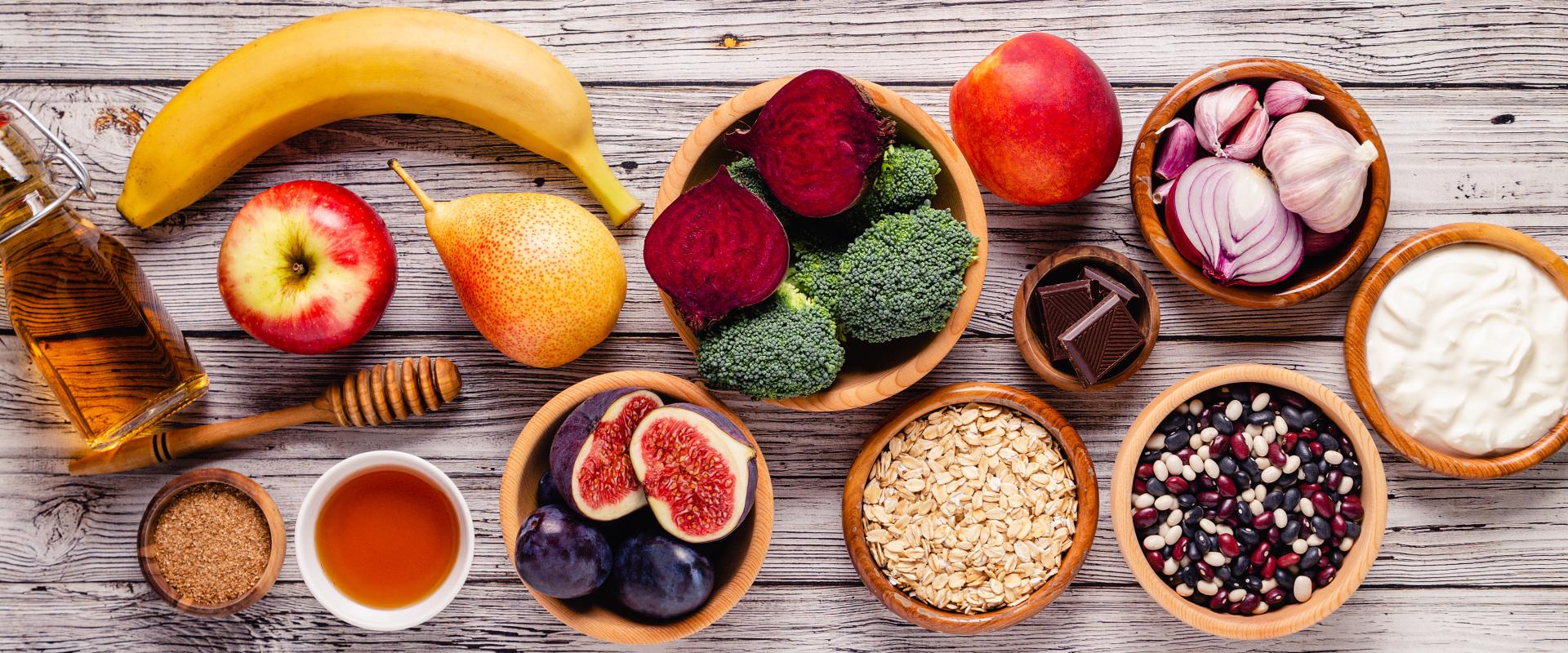
Many Foods Can Help a Person Improve Their Personal Gut Health
A person’s gut health has a surprisingly large impact on their overall health.

5 Key Insights from Gene Testing
Gene testing can reveal useful information about health, family history, and how the body works.

Many Yoga Exercises Are Able to Promote Mindfulness
Yoga is a physical and mental discipline that involves a series of poses, or asanas, designed to align the body and improve flexibility, strength, and balance.

It Seems Myths About a Gluten Free Diet Still Exist
Being gluten free is a well known choice that many people make.

Home Remedies Have Been Helping People Fight Colds For Decades
No one enjoys catching a cold.
Recent Articles
-

Signs Your Not Drinking Enough Water
Water is the foundation of human life. Every single cell, tissue, and organ in your body depends on water to function properly. Yet despite its critic ...
-

Cervical Cancer: Warning Signs & Treatment
Cervical cancer is one of the most common cancers affecting women worldwide, yet it is also one of the most preventable and treatable when detected ea ...
-

5 Overlooked Lung Cancer Warning Signs
FACTS Health & Wellness EditionLung cancer is the leading cause of cancer-related deaths worldwide, responsible for approximately 1.8 million deaths e ...