
Top 5 Foods for Chronic Kidney Disease
Living with chronic kidney disease, often called CKD, usually means paying closer attention to food choices. The kidneys help filter waste, balance fluids, and manage key minerals in the body. When kidney function declines, some foods can place extra strain on the body, while others may support overall health more gently. The good news is that a kidney-friendly eating pattern does not have to feel overly restrictive. With the right choices, meals can still be flavorful, satisfying, and nourishing.
This article highlights five foods that are often helpful for people with chronic kidney disease. These foods are generally chosen because they can fit well into a kidney-conscious diet, depending on a person’s stage of CKD, lab results, and treatment plan. Since kidney diets are highly individual, it is always best to confirm food choices with a doctor or renal dietitian.
Why Food Choices Matter in Chronic Kidney Disease
In CKD, the kidneys may have trouble removing extra sodium, potassium, phosphorus, and waste products from the blood. For that reason, diet often focuses on controlling these nutrients while still providing enough calories, vitamins, and protein. The exact plan can vary widely. Some people need to limit potassium, others need to watch phosphorus more closely, and protein needs may be lower or higher depending on disease stage and whether dialysis is involved.
That is why no single list works for everyone. Still, certain foods are commonly recommended because they are lower in problematic minerals, easy to prepare, and versatile enough to use in everyday meals.

1. Cauliflower
Cauliflower is a popular vegetable for many people with CKD because it is nutritious and naturally lower in potassium than many other vegetables. It also provides vitamin C, fiber, and beneficial plant compounds that support general health. Its mild flavor makes it easy to add to many meals without overwhelming other ingredients.
Hidden Benefit: A Flexible Substitute for Higher-Potassium Foods
One of cauliflower’s biggest hidden benefits is how easily it can replace foods that may be harder on the kidneys. Mashed cauliflower can stand in for mashed potatoes, cauliflower rice can replace regular rice in some dishes, and roasted cauliflower can add substance to a meal without loading it with excess potassium.
Simple Ways to Eat It
Try steaming cauliflower and seasoning it with garlic, herbs, and a small amount of olive oil. It can also be roasted until tender for a slightly sweet flavor. For a comfort-food option, mash cooked cauliflower with a little unsalted butter or a kidney-friendly milk alternative approved by your care team.
2. Blueberries
Blueberries are often considered a smart fruit choice for people with CKD. They are lower in potassium than many fruits and are packed with antioxidants, especially anthocyanins, which give them their deep blue color. These natural compounds may help protect cells from oxidative stress, which is important because chronic illness can increase inflammation in the body.
Hidden Benefit: Sweet Flavor Without Heavy Sodium or Additives
Many packaged snacks contain extra sodium, phosphorus additives, or large amounts of sugar. Blueberries offer a naturally sweet option that can satisfy cravings in a simpler way. Fresh or frozen blueberries can be easier on the diet than many processed desserts and snack foods.
Simple Ways to Eat Them
Add blueberries to oatmeal, cold cereal, or yogurt if those foods fit your meal plan. They also work well as a snack on their own. Frozen blueberries can be blended into a smoothie, but ingredients should be chosen carefully to avoid too much potassium or phosphorus.
3. Egg Whites
Protein needs in CKD can be complicated, but egg whites are often valued because they provide high-quality protein with less phosphorus than many other protein sources. This can be helpful for people who need enough protein without taking in too much phosphorus at the same time.
Hidden Benefit: High-Quality Protein With More Control
Egg whites are useful because they let people include protein in meals while avoiding the phosphorus-rich yolk. Protein is important for maintaining muscles, supporting healing, and helping the body function well. For some people with CKD, egg whites make it easier to reach protein goals in a more controlled way.
Simple Ways to Eat Them
Egg whites can be scrambled with onions and peppers, folded into an omelet, or added to sandwiches. They can also be used in baking and cooking. For convenience, pasteurized liquid egg whites are available in many grocery stores.
4. Cabbage
Cabbage is another kidney-friendly vegetable that often works well in CKD meal plans. It is relatively low in potassium and provides fiber, vitamin C, and vitamin K. It is also budget-friendly and stores well, which makes it practical for regular use.
Hidden Benefit: Filling and Affordable for Everyday Meals
A hidden advantage of cabbage is that it adds volume and texture to meals without greatly increasing the mineral load. This can help people feel satisfied while managing portions of foods that may need tighter control. Because cabbage is inexpensive and versatile, it is also a realistic staple for many households.
Simple Ways to Eat It
Shred cabbage into salads or slaws, sauté it with olive oil and garlic, or add it to soups and stir-fries. Lightly cooked cabbage can be tender and mildly sweet, making it appealing even to people who do not usually enjoy vegetables.
5. Olive Oil
Olive oil may not always appear first on a kidney-friendly food list, but it can be a valuable part of a CKD diet. It contains heart-healthy monounsaturated fats and adds flavor without sodium, phosphorus, or potassium. Since many people with CKD also need to pay attention to heart health, olive oil can support both goals.
Hidden Benefit: Adds Flavor When Salt Needs to Be Limited
Reducing sodium is often important in CKD, especially for blood pressure and fluid balance. Olive oil helps meals taste richer and more satisfying even when less salt is used. This can make it easier to stick with a lower-sodium eating pattern over time.
Simple Ways to Eat It
Use olive oil in homemade salad dressings, drizzle it over cooked vegetables, or use it for sautéing. Pairing olive oil with herbs, lemon juice, or garlic can help create more flavor without relying on salt-heavy sauces or seasoning mixes.
Helpful Tips for Eating Well With CKD
Choosing kidney-friendly foods is a strong start, but overall eating habits matter too. Reading labels can help you avoid excess sodium and phosphorus additives, which are common in processed foods. Cooking more meals at home often gives better control over ingredients and portion sizes.
It is also helpful to pay attention to beverage choices, canned foods, deli meats, and packaged snacks, since these are common sources of hidden sodium. If potassium is a concern, portion size matters just as much as the type of food. Even healthy foods may need to be limited depending on lab results.
Questions to Ask a Renal Dietitian
If you have CKD, consider asking a renal dietitian whether you need to limit potassium, phosphorus, sodium, protein, or fluids. You can also ask for serving size guidance, cooking ideas, and a personalized list of foods that fit your health needs. This can make meal planning much less confusing.
Final Thoughts
The best foods for chronic kidney disease are not always the most obvious ones. Cauliflower, blueberries, egg whites, cabbage, and olive oil each offer practical advantages that go beyond basic nutrition. Their hidden benefits include lower potassium options, better protein control, added flavor without sodium, and simple ways to make meals more satisfying.
Because CKD affects each person differently, the most effective diet is always a personalized one. Still, choosing more foods like these can be a meaningful step toward supporting kidney health and feeling better day to day. Small, steady changes in the kitchen can have a real impact over time.
Related Articles

Tasty and Easy Cupcakes Are Always a Delicious Choice
Cupcakes are a great treat that are enjoyed by millions around the world.

7 Early CKD Warning Signs
Chronic kidney disease (CKD) often develops slowly, and many people do not notice symptoms in its earliest stages.

5 Best Snacks for Diabetes Management
Managing diabetes requires careful attention to diet, especially when it comes to snacking between meals.
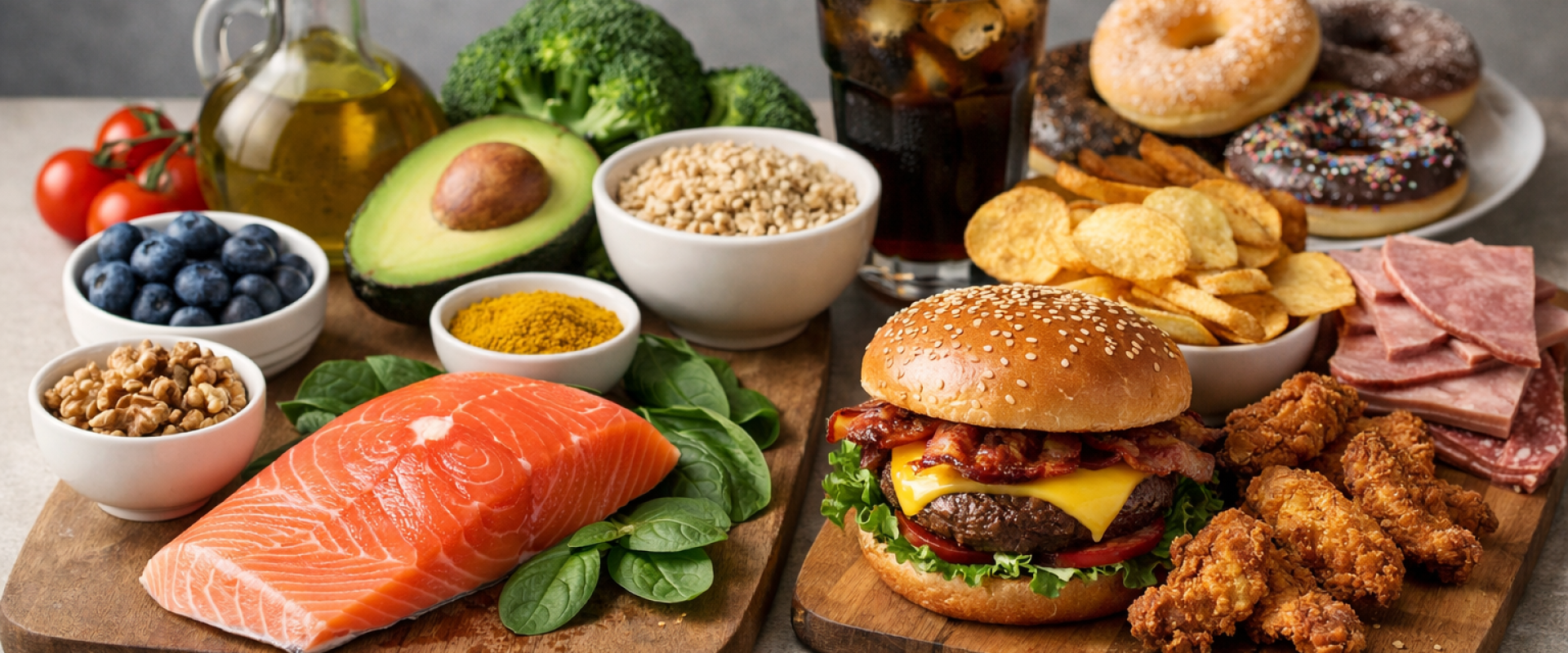
Foods for Arthritis: Pros and Cons
Arthritis can make everyday movement harder by causing joint pain, stiffness, and swelling.

7 Early Warning Signs of Colon Cancer
Colon cancer — also called colorectal cancer when it involves the rectum — is one of the most common cancers worldwide, yet it is also one of the most preventable and treatable when caught early.
Home Remedies Are Some of the Best Ways To Prevent Constipation
No one enjoys the feeling of constipation.
Recent Articles
-

Cervical Cancer: Warning Signs & Treatment
Cervical cancer is one of the most common cancers affecting women worldwide, yet it is also one of the most preventable and treatable when detected ea ...
-

5 Overlooked Lung Cancer Warning Signs
FACTS Health & Wellness EditionLung cancer is the leading cause of cancer-related deaths worldwide, responsible for approximately 1.8 million deaths e ...
-

7 Warning Signs of Breast Cancer
Breast cancer is one of the most common cancers affecting people worldwide. According to the World Health Organization, it is the most frequently diag ...