
Foods for Arthritis: Pros and Cons
Arthritis can make everyday movement harder by causing joint pain, stiffness, and swelling. While food is not a cure, diet can play an important role in how the body handles inflammation, weight, and overall joint health. Some foods may help support comfort and mobility, while others may worsen symptoms in some people. The best approach is usually a balanced eating pattern that emphasizes whole foods, healthy fats, and steady blood sugar. Below is a practical look at the pros and cons of foods to eat and foods to avoid for arthritis.
Food to Eat and Avoid for Arthritis
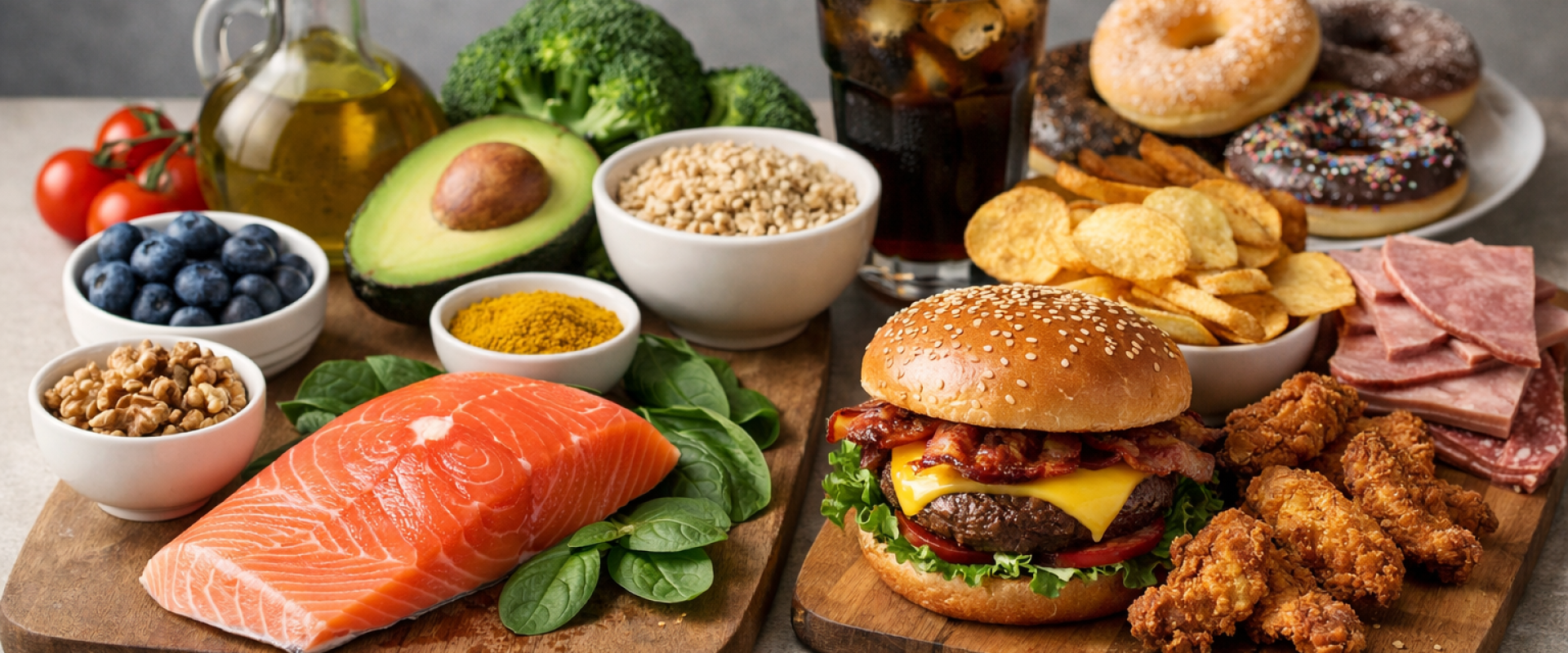
Why Diet Matters for Arthritis
Arthritis is not a single condition. It includes common forms such as osteoarthritis, rheumatoid arthritis, gout, and psoriatic arthritis. Because these conditions affect the body in different ways, no one food plan works for everyone. Still, food choices can influence inflammation, body weight, heart health, and energy levels, all of which matter when living with arthritis.
Extra body weight can put more pressure on the knees, hips, and feet. Inflammatory foods may also aggravate symptoms in some individuals. On the positive side, nutrient-rich foods can provide antioxidants, fiber, vitamins, minerals, and healthy fats that support general health and may help reduce inflammation over time.
Foods to Eat for Arthritis
1. Fatty Fish
Examples include salmon, sardines, mackerel, trout, and herring. These fish are rich in omega-3 fatty acids, which have anti-inflammatory properties. For people with inflammatory arthritis, omega-3s may help reduce morning stiffness and joint tenderness.
Pros
Fatty fish can help lower inflammation and also support heart health, which is important because some forms of arthritis are linked with higher cardiovascular risk. They also provide high-quality protein and vitamin D.
Cons
Some fish can be expensive or hard to include regularly. People who dislike seafood may struggle to eat it often enough to get benefits. Certain large fish may also contain more mercury, so choosing lower-mercury options is wise.
2. Fruits and Berries
Blueberries, strawberries, cherries, oranges, and grapes are often highlighted for their vitamin, mineral, and antioxidant content. Cherries in particular are commonly discussed for gout because they may help support healthy uric acid levels in some people.
Pros
Fruits are high in antioxidants that help protect cells from oxidative stress. They also provide fiber, which supports digestion and may help with weight management. Brightly colored fruits are especially useful because they contain plant compounds linked with lower inflammation.
Cons
Whole fruit is generally a better choice than fruit juice. Juice can be high in sugar and low in fiber, which may not support blood sugar balance as well. Some people also overeat dried fruit, which is more concentrated in calories and sugar.
3. Vegetables
Leafy greens, broccoli, Brussels sprouts, peppers, carrots, and tomatoes provide vitamins, fiber, and anti-inflammatory plant compounds. Cruciferous vegetables such as broccoli and cabbage are often praised for their potential role in reducing inflammation.
Pros
Vegetables are nutrient-dense and low in calories, which can help with healthy weight control. They also contain antioxidants such as vitamin C and beta-carotene. Eating a variety of vegetables supports overall health, not just joint health.
Cons
Some people with digestive sensitivities may find certain vegetables, especially cruciferous ones, cause bloating. Preparation matters too. Deep-frying vegetables or covering them in heavy sauces can reduce the overall health benefit.
4. Whole Grains
Brown rice, oats, quinoa, barley, and whole wheat are healthier choices than refined grains for many people with arthritis. Whole grains contain more fiber and nutrients than white bread, white rice, and many processed cereals.
Pros
Fiber can help reduce markers of inflammation and support a healthy body weight. Whole grains also provide steady energy and may help keep blood sugar more stable than highly refined carbohydrates.
Cons
Not every whole grain works for every person. Some individuals feel better limiting certain grains, especially if they have other digestive issues. Portion size still matters, since even healthy grains can add excess calories if eaten in large amounts.
5. Nuts and Seeds
Walnuts, almonds, chia seeds, flaxseeds, and pumpkin seeds offer healthy fats, fiber, and minerals. Walnuts and flaxseeds are especially noted for containing plant-based omega-3 fats.
Pros
These foods are satisfying and nutrient-rich. They can support heart health and may help reduce inflammation when used in place of less healthy snacks. Seeds and nuts also add texture and flavor to meals without needing much processing.
Cons
Nuts and seeds are calorie-dense, so small portions are best. Salted or sugar-coated versions are less helpful. People with allergies will need to avoid them entirely or choose safe alternatives.
6. Beans and Lentils
Black beans, chickpeas, kidney beans, and lentils are excellent sources of plant protein, fiber, iron, and other minerals. They can be useful for people trying to reduce red meat intake.
Pros
Beans and lentils are filling, affordable, and versatile. Their fiber supports gut health and can help with cholesterol and blood sugar control. Replacing some processed or fatty meats with legumes may reduce inflammation overall.
Cons
Some people experience gas or bloating when eating beans. Starting with small servings and rinsing canned beans can help. They also need proper seasoning and preparation to be appealing for some eaters.
7. Olive Oil
Extra virgin olive oil is a common part of Mediterranean-style eating, which is often recommended for people with inflammatory conditions. It contains monounsaturated fat and natural compounds with anti-inflammatory effects.
Pros
Olive oil can be a smart replacement for butter, shortening, or highly processed oils. It may support both joint and heart health. It is also easy to use in dressings, cooking, and roasted dishes.
Cons
Olive oil is still high in calories, so using too much can work against weight goals. Quality also varies, and extra virgin olive oil can cost more than cheaper oils.
8. Low-Fat or Fermented Dairy
Milk, yogurt, and kefir can provide calcium, protein, and vitamin D. For some people, fermented dairy products may also support gut health.
Pros
Dairy can help maintain bone strength, which matters because some people with arthritis are at higher risk of bone loss. Yogurt and kefir can also be convenient, protein-rich snacks.
Cons
Some individuals feel that dairy worsens their symptoms, though this is not true for everyone. Sweetened yogurts can contain a lot of added sugar, which reduces their health value.
Foods to Avoid or Limit for Arthritis
1. Sugary Foods and Drinks
Soda, candy, pastries, sweet cereals, and many flavored coffee drinks are high in added sugar. Diets high in sugar may increase inflammation and contribute to weight gain.
Pros of Limiting Them
Cutting back on sugar can support a healthier weight, better blood sugar control, and lower overall inflammation. Many people also notice more stable energy levels when they reduce sugary foods.
Cons of Avoiding Them Completely
Strict rules can feel hard to maintain. Some people do better with moderation than complete elimination. Small treats can still fit into an otherwise healthy eating plan if they do not crowd out nutritious foods.
2. Refined Carbohydrates
White bread, white rice, crackers, chips, and many packaged snack foods are quickly digested and often low in fiber. They can contribute to blood sugar spikes and less satisfying meals.
Pros of Limiting Them
Replacing refined carbs with whole grains, beans, or vegetables may improve satiety and support a more anti-inflammatory diet. This change can also help with weight control.
Cons of Avoiding Them Completely
Refined grains are common and convenient, so replacing them can require planning. Some people with digestive problems may temporarily tolerate refined grains better than high-fiber options during flare-ups or illness.
3. Processed and Red Meats
Bacon, sausage, hot dogs, deli meats, and frequent large portions of red meat may promote inflammation in some diets. Processed meats often contain high levels of sodium and preservatives.
Pros of Limiting Them
Eating less processed meat can improve heart health and may lower inflammatory burden. Swapping them for fish, beans, lentils, or lean poultry can improve diet quality.
Cons of Avoiding Them Completely
Red meat can provide iron, zinc, and protein, so it does not have to be completely forbidden for everyone. The key is usually smaller portions and less frequent intake rather than an all-or-nothing approach.
4. Fried Foods
French fries, fried chicken, and heavily fried snacks are often high in unhealthy fats and calories. Frequent intake may worsen inflammation and make weight management harder.
Pros of Limiting Them
Choosing baked, grilled, or roasted foods instead can lower calorie intake and improve overall nutrition. This may ease pressure on weight-bearing joints over time.
Cons of Avoiding Them Completely
Fried foods are popular comfort foods, so giving them up entirely may feel unrealistic. Reducing frequency and portion size is often a more practical long-term strategy.
5. Highly Processed Foods
Packaged meals, instant noodles, sugary snack bars, and many fast foods can be high in sodium, added sugars, unhealthy fats, and artificial ingredients. They are often low in fiber and protective nutrients.
Pros of Limiting Them
Eating fewer processed foods usually makes room for more whole, nutrient-rich foods. This can help lower sodium intake, improve digestion, and support healthier inflammation levels.
Cons of Avoiding Them Completely
Convenience is the biggest challenge. Processed foods are fast, cheap, and easy to find. For busy people, total avoidance may not be realistic, so improving choices gradually can be more sustainable.
6. Excess Alcohol
Alcohol affects people with arthritis differently. In gout, alcohol can raise uric acid and trigger attacks, especially beer and spirits. Alcohol may also interact with some arthritis medications.
Pros of Limiting It
Reducing alcohol can lower gout risk, improve sleep, support liver health, and reduce unwanted medication interactions. It may also help people make better food choices overall.
Cons of Avoiding It Completely
Some people enjoy moderate alcohol socially and may not need to eliminate it entirely, depending on their condition and medications. However, medical guidance is important here, especially for anyone with gout or drug interactions.
7. Salty Foods
Very salty foods include canned soups, instant meals, processed meats, and many restaurant foods. Too much sodium may contribute to fluid retention and can be a concern for people taking certain medications or managing blood pressure.
Pros of Limiting Them
Lowering sodium supports heart health and blood pressure control. This is especially important because chronic inflammatory conditions can overlap with cardiovascular risk.
Cons of Avoiding Them Completely
Low-sodium eating can take time to adjust to because many people are used to strong salty flavors. Food may seem bland at first, although herbs, spices, lemon, and vinegar can help.
Special Note About Gout
Gout is a form of arthritis with unique dietary concerns. People with gout may need to pay extra attention to foods high in purines, such as organ meats, certain shellfish, and large amounts of red meat. Sugary drinks and alcohol, especially beer, are also common triggers. In contrast, low-fat dairy, cherries, water, and a healthy body weight may be helpful.
Pros of an Arthritis-Friendly Diet
An arthritis-friendly diet can do more than target joint symptoms. It may help support a healthier weight, improve energy, and reduce the risk of heart disease and diabetes. Whole foods also tend to provide better nutrition than highly processed meals, which benefits the body in many ways.
Another advantage is that this style of eating is usually practical for the whole family. Meals based on vegetables, beans, fish, whole grains, fruit, and healthy fats are not extreme and can be adjusted to personal taste and budget.
Cons and Limitations of Diet Changes
Diet alone will not cure arthritis, and results may be gradual rather than immediate. Some people expect a quick fix and feel disappointed when symptoms do not disappear after a few healthy meals. Medication, exercise, sleep, stress management, and medical care are still important.
Another limitation is that food triggers can be personal. One person may feel better without certain foods, while another notices no difference. Keeping a food and symptom journal can help identify patterns without making unnecessary restrictions.
Simple Tips for Getting Started
Start small rather than changing everything at once. Add one serving of vegetables to lunch, swap sugary drinks for water more often, or replace one processed meal each week with a home-cooked option. Small habits are easier to maintain and can add up over time.
Try building plates around vegetables, lean protein, healthy fats, and fiber-rich carbohydrates. Use olive oil instead of butter when possible. Include fish a couple of times a week if you eat seafood, and choose fruit for sweetness more often than desserts.
If you suspect a certain food makes symptoms worse, avoid removing many foods at once. Instead, make one change at a time and monitor how you feel. For persistent symptoms, discuss concerns with a doctor or registered dietitian, especially if you have gout, take medication, or have other health conditions.
Final Thoughts
The best foods for arthritis are generally the same foods that support long-term health: vegetables, fruits, whole grains, beans, nuts, seeds, fish, and healthy oils. The main foods to limit are those high in added sugar, refined carbohydrates, unhealthy fats, excess salt, and heavy processing. The pros of this way of eating include better overall wellness, support for inflammation control, and easier weight management. The cons are that results vary, change takes effort, and diet should be seen as part of a larger treatment plan, not a standalone cure.
Related Articles
Foods for Arthritis: Pros and Cons
Arthritis can make everyday movement harder by causing joint pain, stiffness, and swelling.

Tea is Delicious But Also Has Many Benefits
People have been drinking tea for thousands of years.

Trying Out 5 New Exercises at Home Can Be Enough to Gain a Love of Fitness
Staying fit and healthy is essential, but going to the gym can be daunting and time-consuming.
Many Foods Can Help a Person Improve Their Personal Gut Health
A person’s gut health has a surprisingly large impact on their overall health.

7 Early Warning Signs of Colon Cancer
Colon cancer — also called colorectal cancer when it involves the rectum — is one of the most common cancers worldwide, yet it is also one of the most preventable and treatable when caught early.

You Can't Have an Outdoor BBQ Without All the Necessities
Summer always seems to be flying by, and soon the season of pumpkins and presents will be closing in.
Recent Articles
-

5 Overlooked Lung Cancer Warning Signs
FACTS Health & Wellness EditionLung cancer is the leading cause of cancer-related deaths worldwide, responsible for approximately 1.8 million deaths e ...
-

7 Warning Signs of Breast Cancer
Breast cancer is one of the most common cancers affecting people worldwide. According to the World Health Organization, it is the most frequently diag ...
-

5 Mistakes to Avoid When Moving
Moving to a new home is one of the most stressful experiences a person can go through. Between packing, coordinating logistics, and adjusting to a new ...